
Tooth Extraction Aftercare: What to Eat, How to Heal, and How to Avoid Dry Socket
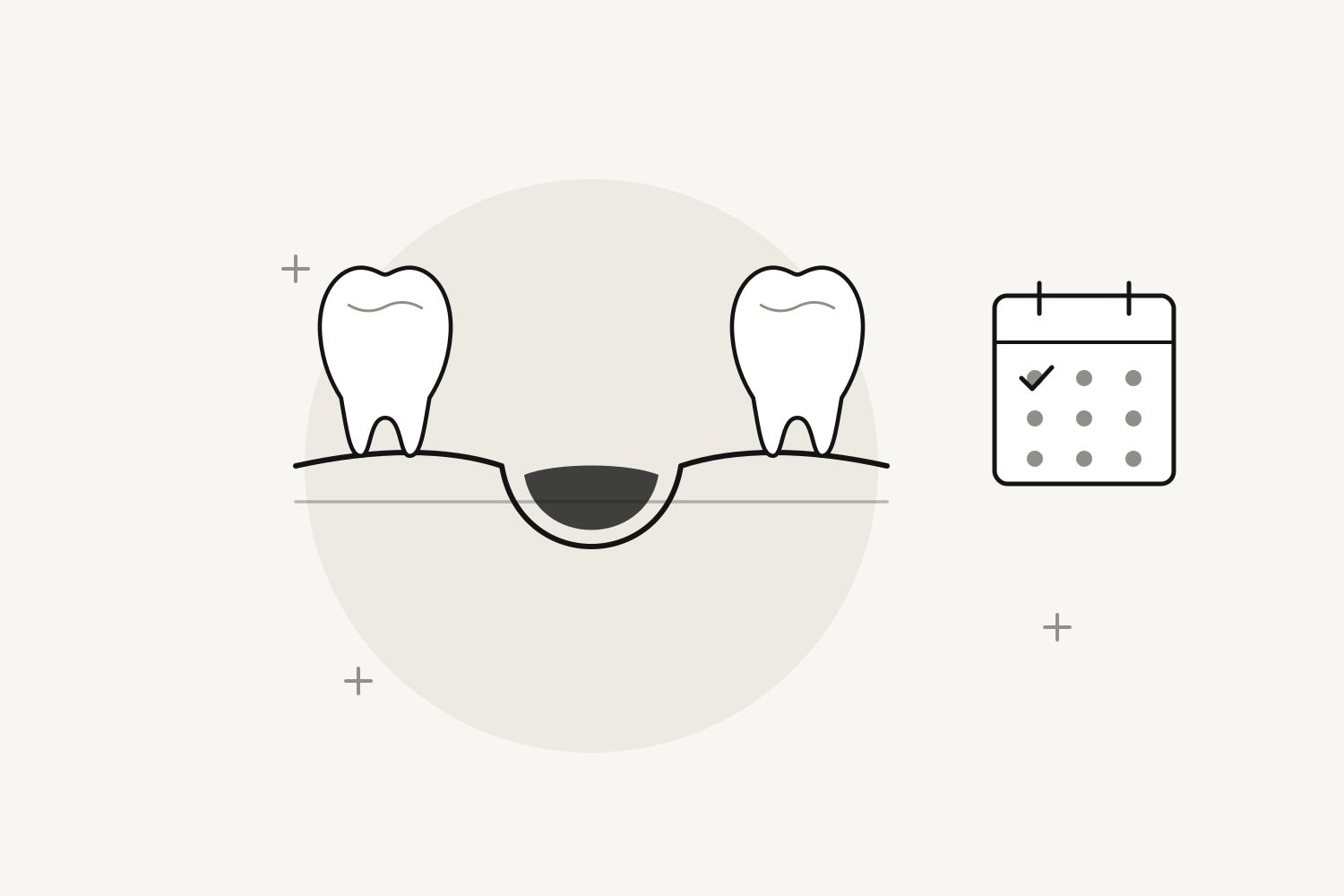
Having a tooth removed is usually quicker and easier than people expect. What happens in the few days afterward matters more than the extraction itself, because that is when the socket either heals smoothly or runs into the one complication most people have heard of: dry socket.
This guide covers what to expect hour by hour and day by day after a tooth extraction, what to eat, when to rinse, and how to tell normal healing from something that needs a call. It is general guidance. The written instructions your surgeon gives you take priority, since they are based on your specific procedure. Our wisdom teeth article covers the decision to remove those teeth in the first place.
The first hour: let the clot form
The most important thing that happens after an extraction is a blood clot forming in the empty socket. It protects the bone and nerve endings underneath and is the foundation everything else heals on.
Bite firmly on the gauze you are given for 30 to 45 minutes without lifting it to look. Pressure is what stops the bleeding; checking every few minutes restarts it. If oozing continues afterward, place fresh folded gauze and bite again. A moistened black tea bag works well too, because the tannins help blood clot.
The first 24 hours
Rest. Keep activity light and your head slightly raised, including when you sleep.
Expect some oozing. Pink saliva is normal. Steady, bright bleeding that does not slow with pressure is not, and is a reason to call.
Use ice for swelling. Twenty minutes on, twenty minutes off on the outside of the cheek for the first day or so. Swelling usually peaks on the second or third day and then fades.
Do not rinse, spit forcefully, or use a straw. Each of these creates suction or pressure that can pull the clot out.
Do not smoke or vape. Smoking is one of the biggest risk factors for dry socket, both from the suction and from its effect on healing. The longer you can avoid it, the better.
Take medication as directed. Follow the instructions you were given, and start pain relief before the numbness wears off rather than after.
Days two to four
After the first 24 hours, gentle warm salt water rinses help keep the area clean. Let the water roll around your mouth and fall out rather than spitting it. Brush your other teeth normally, and be gentle near the socket.
Switch from ice to warm compresses if swelling lingers. Some stiffness in the jaw is common, particularly after wisdom teeth.
Pain should be steadily easing over these days. That trend is the most useful thing to watch.
What to eat after a tooth extraction
For the first day or two, think soft, cool, and easy: yogurt, applesauce, pudding, smoothies eaten with a spoon (no straw), mashed potatoes, cottage cheese, scrambled eggs, soup that has cooled to lukewarm, oatmeal, and pasta cooked soft.
Avoid crunchy and hard foods such as chips and nuts, sticky foods, spicy foods, very hot drinks and soups, alcohol, and small seeds or grains like sesame, quinoa, and rice, which can settle into the socket. Chew on the other side.
Most people work back toward their normal diet over about a week as comfort allows.
What is dry socket?
Dry socket, called alveolar osteitis, happens when the clot is dislodged or dissolves before the socket has healed, leaving the bone exposed. It is most common after lower wisdom tooth removal and in smokers.
Signs of dry socket: pain that gets worse rather than better, usually starting two to four days after the extraction; a deep, throbbing ache that can spread toward the ear, eye, or temple on the same side; a bad taste or smell; and sometimes a socket that looks empty, with bone visible instead of a dark clot.
What to do: call your oral surgeon. Dry socket is painful but very treatable. The socket is gently cleaned and a medicated dressing is placed, and many patients feel substantial relief within a day. It does not need to be endured at home.
How to prevent dry socket
Most of the prevention is in the first few days. Do not smoke or vape. Do not use straws. Do not spit forcefully or rinse vigorously for the first 24 hours. Avoid strenuous exercise for a couple of days. Stick to soft foods chewed on the other side. Keep the mouth clean with gentle salt water rinses after the first day. Follow your surgeon’s instructions exactly, including any rinse or medication they prescribe.
When to call your oral surgeon
Call if you have bleeding that does not slow after 45 minutes of firm pressure, pain that worsens after the third day, swelling that keeps increasing after the third day, a fever, pus or a persistent bad taste, numbness that has not worn off by the next day, or trouble swallowing or breathing. For anything that feels urgent after hours, our article on dental emergencies explains what to do.
How long does a tooth extraction take to heal?
Most people feel much better within three to five days and are back to normal routines within a week. The gum closes over the socket in a few weeks, and the bone beneath continues to fill in over the following months.
If an implant is planned for that space, the socket may have been grafted at the time of the extraction to preserve the bone. Our article on the dental implant process explains how that fits into the timeline.
Tooth extractions in Hauppauge, NY
At Destination Dental, extractions, wisdom teeth, and implant surgery are performed in our private surgical suite, with sedation administered by board-certified MD anesthesiologists and recovery overseen by dedicated nurses.
If you are on Long Island, in Hauppauge, Smithtown, Commack, Islandia, or elsewhere in Suffolk County and need a tooth removed, call us at (631) 360-0266 or request a consultation online with our implant and oral surgery team.
Frequently asked questions
What is dry socket and what does it feel like?
Dry socket happens when the blood clot that forms in the empty socket is lost or dissolves too early, exposing the bone underneath. It usually shows up two to four days after the extraction as a deep, throbbing pain that gets worse instead of better, often spreading toward the ear, sometimes with a bad taste or smell. It is treatable, so call your oral surgeon rather than waiting it out.
How can I prevent dry socket?
Protect the clot for the first few days: do not smoke or vape, do not drink through a straw, avoid spitting forcefully or rinsing hard for the first 24 hours, and stick to soft foods chewed on the other side. Follow the specific instructions your surgeon gives you, since they are tailored to your procedure.
What can I eat after a tooth extraction?
For the first day or two, choose soft, cool or lukewarm foods such as yogurt, smoothies eaten with a spoon, applesauce, pudding, mashed potatoes, scrambled eggs, and broth that is not too hot. Avoid crunchy, sticky, spicy, and very hot foods, and anything with small seeds or grains that could lodge in the socket, until your surgeon says it is fine.
How long does it take to heal after a tooth extraction?
Most people feel much better within three to five days and are back to normal routines within about a week. The gum closes over the socket in a few weeks, while the bone underneath continues to fill in for several months. Wisdom teeth and surgical extractions usually take a little longer than simple ones.
How much bleeding is normal after a tooth extraction?
Some oozing and pink-tinged saliva for the first day is normal. Steady bleeding is usually stopped by biting firmly on folded gauze, or a moistened tea bag, for 30 to 45 minutes without checking it. Call your surgeon if bleeding is heavy or does not slow after that.
More from the journal
Book your visit.
New patients, families, and referrals are always welcome.