
Do I Really Need a Deep Cleaning? Scaling and Root Planing Explained
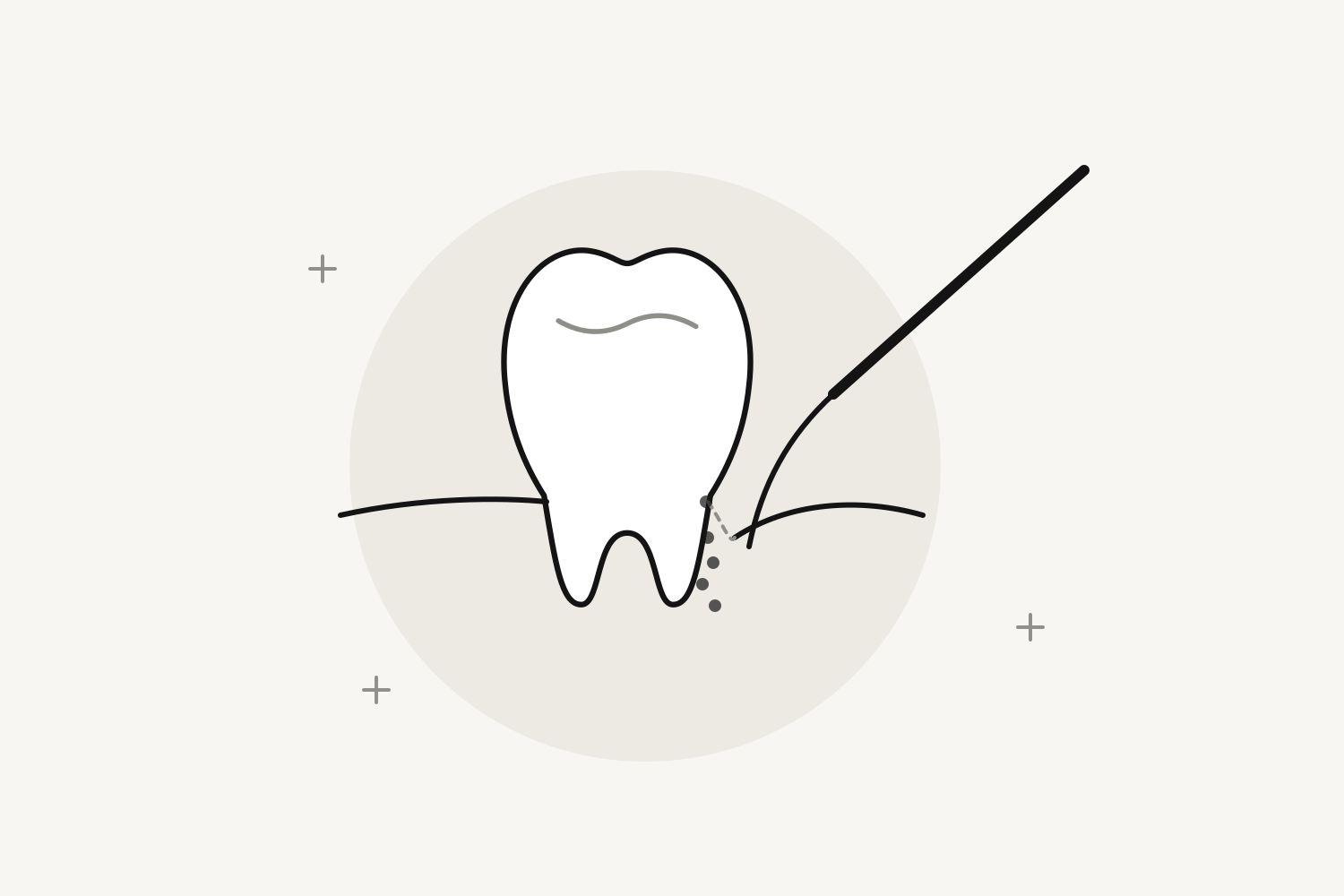
It is one of the most common surprises in a dental chair. You came in for a cleaning, and instead you hear the words deep cleaning, a set of numbers called out around each tooth, and a recommendation to come back for something longer. It is reasonable to wonder whether you really need it.
This article explains what a deep cleaning is, why it is recommended, and what the visit is actually like, so you can make the decision with the full picture.
What is a deep cleaning?
The clinical name is scaling and root planing. Scaling removes plaque and hardened tartar from the tooth, including from the root surfaces below the gum line. Root planing smooths those root surfaces afterward, so bacteria have a harder time reattaching and the gum can heal snugly back against the tooth.
A regular cleaning, sometimes called a prophylaxis, is designed for healthy gums. It cleans the crowns of the teeth and the shallow space just under the gum. A deep cleaning is designed for gums where that shallow space has become a deeper pocket.
Why gum pockets matter
Healthy gum fits closely around each tooth like a cuff. When plaque sits along the gum line long enough, the gum becomes inflamed, and the cuff loosens and deepens into a pocket. Bacteria move down into that pocket, where your toothbrush and floss cannot follow, and tartar forms on the root.
Left there, the body’s response to those bacteria starts to break down the gum attachment and the bone that holds the tooth. That is periodontitis, the stage of gum disease that leads to receding gums, loose teeth, and eventually tooth loss. Our article on healthy gums for life walks through how it develops.
The numbers you hear during an exam are those pockets being measured in millimeters at several points around each tooth. Low numbers with no bleeding is healthy. Deeper numbers, especially with bleeding, mean there is disease below the surface even if the teeth look clean.
How do I know if I need a deep cleaning?
The recommendation is based on what we can measure rather than what we can see:
- Pocket depths deeper than healthy gum allows, in several places.
- Bleeding when the gums are gently measured.
- X-rays showing tartar on the roots or bone loss around the teeth.
- Symptoms you may have noticed: gums that bleed when you brush, gums that look puffy or pull back, persistent bad breath, or teeth that feel slightly loose.
Persistent bad breath is a common clue, and our piece on bad breath causes and treatment explains why gum pockets are so often behind it.
Why a regular cleaning is not enough
This is the honest answer to the question most people are really asking. A regular cleaning on gums with active disease cleans the parts of the tooth that are not the problem. The bacteria and tartar that drive the disease sit on the root, below the gum line, inside the pocket. The teeth leave the office looking and feeling clean while the disease keeps going.
A deep cleaning removes the cause so the gum has a chance to heal. That is why it comes first.
What the visit is like
The area being treated is numbed, so most people describe pressure, vibration, and the sound of the instruments rather than pain. Depending on how much of the mouth needs treatment, it may be done in one longer visit or split across two, often one side of the mouth at a time so you are never numb on both sides.
Ultrasonic instruments break up the larger deposits, and fine hand instruments follow along the root to finish the cleaning and smooth the surface. Our periodontal team also offers laser therapy for gum disease, and whether it is helpful in your case is something we will talk through with you.
If dental visits make you anxious, say so. Our article on dental anxiety in adults covers the ways we make longer appointments easier.
Deep cleaning recovery
Expect the gums to be tender for a few days. Teeth often feel more sensitive to cold for a while, because root surfaces that were covered in tartar are now clean and exposed. That usually settles over a couple of weeks. Our guide to sensitive teeth has tips that help in the meantime.
- Take over-the-counter pain relief if you need it.
- Rinse gently with warm salt water a few times a day.
- Keep brushing and flossing, softly, even where it is tender. Clean gums heal faster.
- Some bleeding at first is normal. It should taper off, not increase.
What happens after a deep cleaning
Once the gums have had time to heal, usually several weeks, we measure them again. Many pockets shrink as the gum tightens back against a clean root, and bleeding often drops noticeably.
From there, cleanings are typically scheduled more often than twice a year. Bacteria rebuild in deeper spaces faster than they do in healthy gum, and these maintenance visits are what keep the disease from coming back. Any area that does not respond as hoped may need further periodontal care, which our periodontics team handles under the same roof.
Gum disease treatment in Hauppauge, NY
A deep cleaning is not a punishment for missed flossing. It is the step that stops gum disease where it is, before it costs you bone or teeth. The earlier it is done, the more likely it is to be the only treatment you need.
If you live in Hauppauge, Smithtown, Commack, Islandia, or anywhere on Long Island and your gums bleed or you have been told you need a deep cleaning, call us at (631) 360-0266 or request an appointment online. We will measure, explain what we find, and give you a clear plan.
Frequently asked questions
What is the difference between a deep cleaning and a regular cleaning?
A regular cleaning removes plaque and tartar from the visible surfaces of the teeth and just under the gum line, in healthy gums. A deep cleaning, called scaling and root planing, goes further down into the pockets that gum disease creates, removing hardened tartar and bacteria from the root surfaces and smoothing them so the gum can heal back against the tooth.
How do I know if I need a deep cleaning?
The deciding factors are pocket depth measurements, bleeding when the gums are measured, and X-rays showing tartar or bone loss around the roots. Healthy gums usually measure in the low numbers of millimeters. Deeper pockets that bleed mean bacteria are living where a toothbrush and a regular cleaning cannot reach.
Does a deep cleaning hurt?
The area being treated is numbed, so most people feel pressure and vibration rather than pain. Afterward the gums are often tender and the teeth can be sensitive to cold for a few days to a couple of weeks. Over-the-counter pain relief and warm salt water rinses usually cover it.
Can I just get a regular cleaning instead?
A regular cleaning on gums with active disease cleans the parts that are not the problem. The bacteria and tartar driving the disease sit below the gum line on the root, so the disease keeps progressing even though the teeth look clean. That is why a dentist will recommend the deep cleaning first.
What happens after a deep cleaning?
The gums are measured again after they have had time to heal, usually several weeks later. Many pockets shrink as the gum tightens back against a clean root. From then on, cleanings are typically scheduled more often than twice a year to keep the bacteria from rebuilding. Areas that do not respond may need further periodontal treatment.
More from the journal
Book your visit.
New patients, families, and referrals are always welcome.