
Why Are My Teeth Sensitive to Cold? Causes and Treatments for Tooth Sensitivity
It happens with the first sip of iced coffee, or a breath of winter air on the walk to the car, or a spoonful of ice cream that you now eat off the front of the spoon. A quick, sharp jolt, gone in a second or two, and then you carry on.
At our Hauppauge office it is one of the most common things patients from across Suffolk County mention at a checkup. Most people decide they simply have sensitive teeth and buy the toothpaste. Sometimes that is exactly right. But sensitivity is a symptom rather than a diagnosis, and the same jolt can come from a harmless habit, a receding gum, a cracked tooth, or a cavity, which call for very different responses.
Here is what is actually happening inside the tooth, how to tell the common causes apart, and what each one needs.
What causes sensitive teeth?
The crown of a tooth is covered in enamel, which has no nerves and feels nothing. The root is covered in cementum, a much thinner layer, which sits safely below the gum.
Underneath both is dentin, and dentin is the part that matters here. It is full of microscopic tubules running from the surface toward the nerve in the center of the tooth, each one filled with fluid. When dentin is exposed and something cold, sweet, or acidic touches it, the fluid in those tubules shifts, and the nerve reads that movement as a sharp, short pain.
So nearly all ordinary sensitivity comes down to one thing: dentin that has lost its cover. The question worth answering is what removed the cover, because that is what decides the fix.
The most common causes of tooth sensitivity
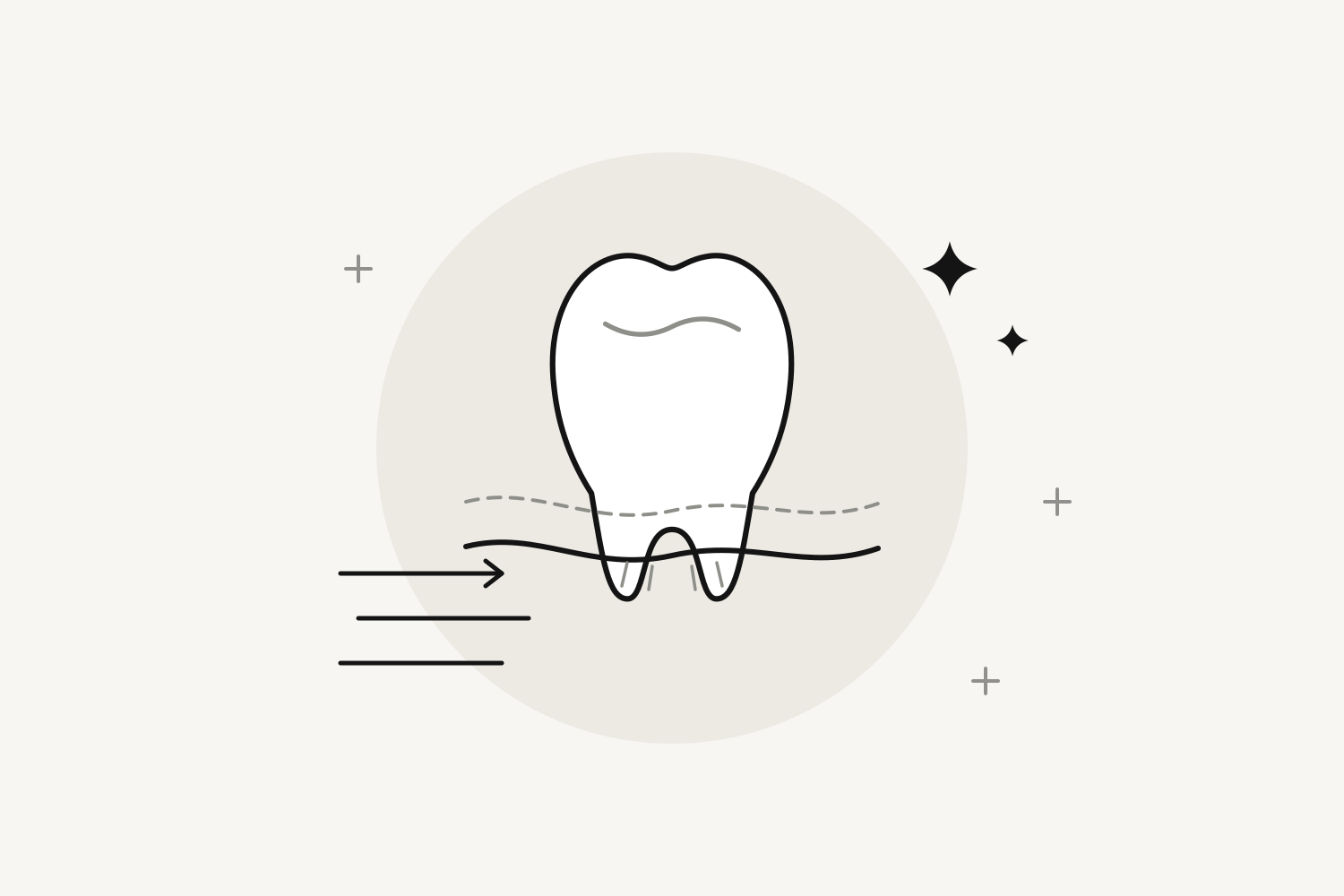
Gum recession. When the gum pulls back, it exposes root surface that was never meant to see the inside of a mouth. The cementum there is thin and wears through quickly, and the dentin beneath it is open. This is the most common cause of sensitivity in adults, and it usually shows up as a tooth that zings near the gum line rather than on the biting surface. Our article on receding gums and gum grafting covers what drives it and how it is treated.
Brushing too hard. A firm brush and a scrubbing motion can wear a notch into the tooth right at the gum line and push the gum back at the same time. People who brush most diligently are often the ones with this problem. A soft brush, held lightly, is all the force a tooth needs.
Acid. Citrus, soda, sparkling water with flavoring, wine, sports drinks, and reflux all soften enamel. Brushing straight afterward scrubs the softened layer away. Waiting about half an hour after something acidic before brushing gives saliva time to harden the surface again.
Grinding and clenching. Nighttime grinding wears enamel down from the top and flexes the tooth at the neck, where small chips of enamel can break away. If your sensitivity comes with morning jaw tightness or teeth that look flatter than they used to, read our piece on grinding and night guards.
Whitening. Sensitivity during or just after whitening is common, temporary, and expected. It usually fades within a few days of stopping.
Recent dental work. A tooth that has just had a filling or a crown can be sensitive for a few weeks while it settles. That should ease steadily. If it is getting worse rather than better, or if biting is what sets it off, call us.
When tooth sensitivity is a warning sign
Some patterns point away from exposed dentin and toward something that needs attention sooner.
Pain that lingers for more than a few seconds after the cold is gone. Pain that arrives on its own, with nothing touching the tooth, or that wakes you at night. A sharp pain when you bite down on something, particularly when you release the bite. Sensitivity that has appeared on one tooth only and is getting steadily worse. Any swelling, a bad taste, or a pimple-like bump on the gum.
These suggest decay reaching toward the nerve, a cracked tooth, or inflammation inside the tooth itself, and none of them respond to toothpaste. The longer they are managed at home, the larger the eventual repair tends to be.
How a dentist treats sensitive teeth
The order is roughly smallest first.
Desensitizing toothpaste. These work in one of two ways: some calm the nerve’s response, and others plug the open tubules. Either way, they take two to four weeks of consistent use to make a difference, and they work best when you leave a thin film on the sensitive area rather than rinsing it all away. If one brand has not helped after a month, it is worth trying the other type before giving up.
In-office fluoride or a desensitizing varnish. Painted directly onto the exposed area, these strengthen the surface and seal the tubules more thoroughly than toothpaste can. The effect lasts for weeks to months and can be repeated.
Bonding over the exposed surface. Where there is a notch at the gum line or a patch of exposed root, a thin layer of tooth-colored material can be bonded over it. This covers the dentin physically and also stops the notch from deepening.
A gum graft. When recession is the cause and the root is significantly exposed, covering it with new gum tissue treats the sensitivity and protects the root from decay at the same time. Our periodontics team handles these.
Addressing the cause. A night guard for grinding. A softer brush and a gentler technique. A change in when you brush after acidic food. Without these, every other fix is working against a process that is still going on.
Treating the tooth itself. If the cause is a cavity, a failing filling, or a crack, the treatment is the repair the tooth needs, whether that is a filling, a crown, or in some cases treatment inside the tooth.
Home care for sensitive teeth
Switch to a soft brush if you are not already using one. Brush with light pressure and small circles rather than a back-and-forth scrub. Start a desensitizing toothpaste and give it a full month. Hold off brushing for half an hour after acidic drinks. Notice which teeth react and to what, because that detail is genuinely useful when you come in.
Sensitive teeth treatment in Hauppauge, NY
Ordinary sensitivity is common and treatable, but it is worth confirming that ordinary is what it is. A quick exam and, where needed, an X-ray will tell us whether you are dealing with exposed dentin or with something inside the tooth.
If you live or work on Long Island, in Hauppauge, Smithtown, Commack, Islandia, or nearby, call us at (631) 360-0266 or request an appointment online, and our general and restorative team at our Hauppauge office will find where the sensitivity is coming from and tell you plainly what it needs, including when the answer is simply the right toothpaste.
Frequently asked questions
Why are my teeth suddenly sensitive to cold?
Sudden sensitivity to cold usually means dentin, the layer under the enamel, has become exposed. Common causes are gum recession, brushing too hard, acidic food and drink, grinding, recent whitening, or a new filling. Sensitivity on a single tooth that is getting worse, or pain that lingers after the cold is gone, can point to a cavity or a crack and should be checked by a dentist.
Does sensitive teeth toothpaste actually work?
Yes, for ordinary sensitivity from exposed dentin. Desensitizing toothpastes either calm the nerve's response or plug the open tubules in the dentin. They need two to four weeks of twice-daily use, and they work best when you spit without rinsing so a thin film stays on the tooth. They will not fix sensitivity caused by a cavity or a cracked tooth.
When is tooth sensitivity a sign of something serious?
See a dentist promptly if the pain lingers for more than a few seconds, starts on its own without a trigger, wakes you at night, hurts when you bite down, affects one tooth that keeps getting worse, or comes with swelling or a bad taste. These suggest decay, a crack, or inflammation of the nerve rather than simple exposed dentin.
How does a dentist treat sensitive teeth?
Treatment depends on the cause. Options include prescription or in-office fluoride, a desensitizing varnish, bonding over an exposed root or a worn notch at the gum line, a gum graft for significant recession, a night guard for grinding, or repairing the tooth itself with a filling or crown when decay or a crack is responsible.
Can gum recession cause tooth sensitivity?
Gum recession is the most common cause of sensitive teeth in adults. When the gum pulls back it exposes the root surface, which has only a thin protective layer, so cold and sweet things reach the dentin directly. The sensitivity is usually felt near the gum line rather than on the biting surface.
More from the journal
Book your visit.
New patients, families, and referrals are always welcome.