
Dry Mouth and Cavities: Why Medications Cause Tooth Decay and How to Protect Your Teeth
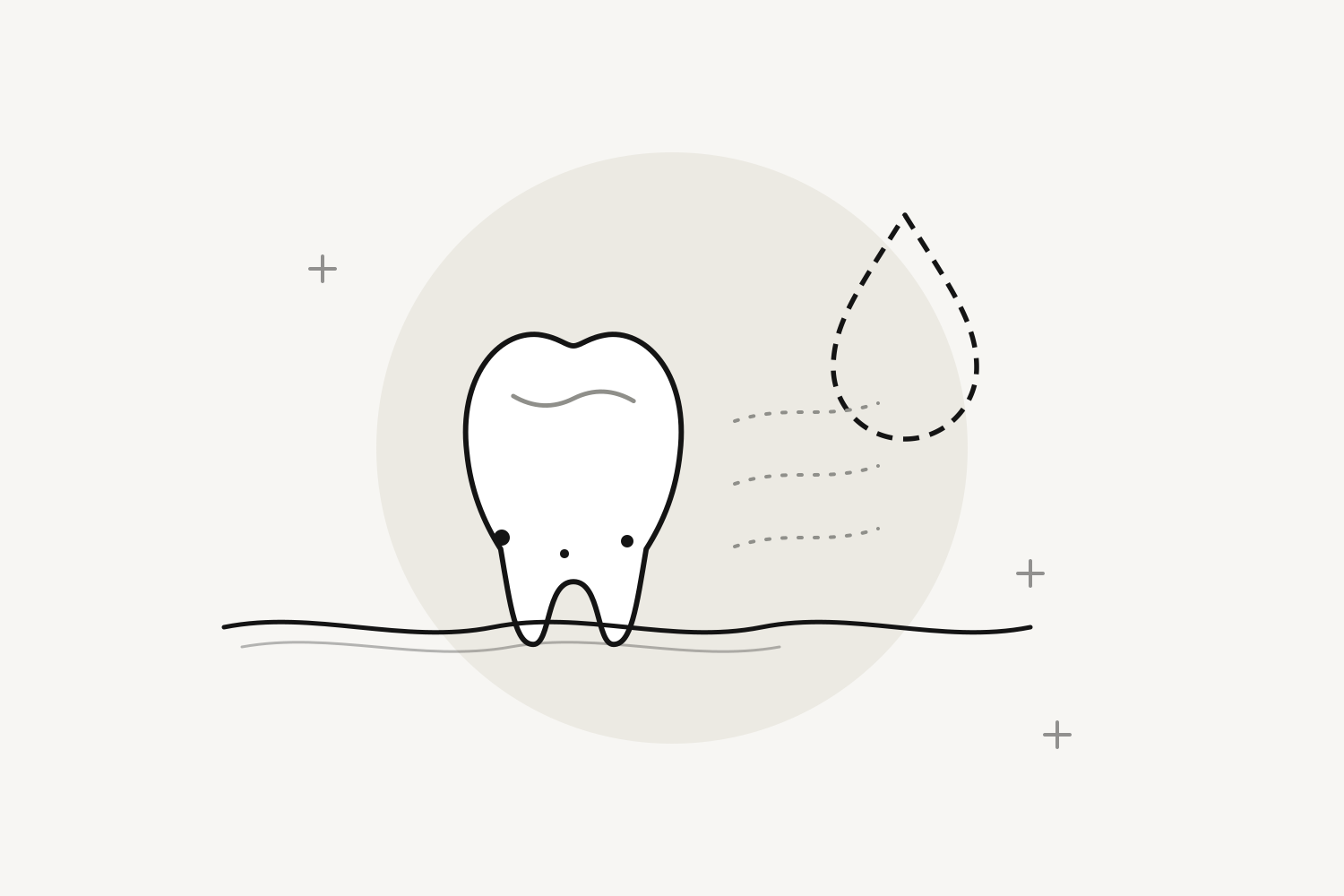
It is one of the patterns we see most often. A patient with years of clean checkups comes in with several new cavities at once, frequently right at the gum line, and is understandably confused, because nothing about their brushing has changed.
The medical term is xerostomia, and at our Hauppauge office we see it most often in adults on several daily medications. When we ask what has changed, the answer is usually a new medication. Saliva does far more protective work than most people realize, and when there is less of it, teeth that were holding steady can start to decay surprisingly quickly.
Why saliva protects your teeth
Saliva is the mouth’s own maintenance system. It rinses away food and sugar. It neutralizes the acid that bacteria produce after you eat. It carries calcium and phosphate that repair the earliest, invisible stages of decay before they ever become a cavity. It keeps the gums and cheeks moist so they resist irritation and infection, and it makes chewing, swallowing, and speaking comfortable.
Take that away and every one of those protections weakens at once. Acid lingers longer after each meal, early decay stops being repaired, and bacteria get a much easier environment.
Dry mouth symptoms to watch for
A sticky or parched feeling, especially on waking. Needing water to swallow dry food. Lips that crack or a tongue that feels rough. Bad breath that does not go away with brushing. A burning feeling in the mouth or a change in how food tastes. Dentures that rub or will not stay put. Waking at night needing a drink.
Many people adapt to it gradually and do not think of it as a symptom at all. It is worth mentioning at your visit even if it seems minor.
What causes dry mouth?
Medications are by far the most common cause. Hundreds of commonly prescribed drugs reduce saliva, including many medications for blood pressure, depression and anxiety, allergies, sleep, bladder control, and pain. The effect tends to add up, so someone taking several of them is more likely to notice it. Please do not stop or change a prescription on your own. The prescribing physician may be able to adjust a dose or choose an alternative, and in the meantime there is a great deal we can do to protect the teeth.
Mouth breathing and snoring dry the mouth out every night, which is why so many people wake up parched.
Medical conditions including diabetes and Sjögren’s syndrome can reduce saliva, as can radiation treatment to the head and neck.
Dehydration, alcohol, caffeine, and tobacco all contribute. Alcohol-based mouthwashes can make the dryness worse rather than better.
Why dry mouth causes cavities at the gum line
Dry-mouth decay has a recognizable look. It often forms along the gum line and on root surfaces, which are softer than enamel and decay more readily, and around the edges of existing fillings and crowns. It can spread across several teeth in a relatively short time.
This is particularly relevant for older adults, who are more likely to take several medications and more likely to have some gum recession exposing root surfaces. The combination is a common reason decay picks up later in life after decades without trouble.
How to protect your teeth from dry mouth
Sip water through the day, and keep water by the bed. Frequent small sips do more than occasionally drinking a large glass.
Chew sugar-free gum or use sugar-free lozenges, ideally ones sweetened with xylitol. Chewing stimulates the saliva you do have, and xylitol does not feed the bacteria that cause decay.
Avoid sipping and snacking on sugar. With less saliva to clear it, sugar does more damage per exposure than it would otherwise. The number of exposures matters more than the amount.
Choose an alcohol-free mouth rinse, and consider products made specifically for dry mouth, which come as rinses, gels, and sprays. A gel used at bedtime can make nights much more comfortable.
Use a humidifier in the bedroom, particularly in winter or if you breathe through your mouth when you sleep.
Ask about prescription-strength fluoride. For many patients with dry mouth this is the most important single measure, either a high-fluoride toothpaste used at bedtime or in-office fluoride varnish at each visit. It rebuilds the surface and makes it far more resistant to acid.
Keep your checkups more frequent. Decay moves faster in a dry mouth, so catching it while it is small matters more. A more frequent cleaning and exam schedule is often recommended while the dryness continues.
Dry mouth and dentures
Saliva helps dentures seal and stay put, and it cushions the tissue underneath. A dry mouth often means more sore spots and a looser feel. If your dentures have started to bother you since a change in medication, it may not be the fit at all, though it is worth checking both. Our piece on when dentures stop fitting covers the fit side.
Dry mouth care in Hauppauge, NY
The most useful thing you can do is keep your medication list current with us, including anything new since your last visit. It lets us connect a change in your mouth to its likely cause and adjust your prevention plan before cavities appear rather than after.
If you are on Long Island, in Hauppauge, Smithtown, Commack, Islandia, or elsewhere in Suffolk County, call us at (631) 360-0266 or request an appointment online, and our general and restorative team at our Hauppauge office will look at what is happening, explain why, and put together a plan that fits your mouth as it is now.
Frequently asked questions
Can dry mouth cause cavities?
Yes. Saliva rinses away sugar, neutralizes acid, and repairs the earliest stage of tooth decay. With less saliva those protections weaken, so cavities can form quickly, often along the gum line, on exposed roots, and around existing fillings and crowns.
What medications cause dry mouth?
Hundreds of common medications reduce saliva, including many prescribed for high blood pressure, depression and anxiety, allergies, sleep, bladder control, and pain. Taking several at once makes dry mouth more likely. Do not stop a prescription on your own; ask the prescribing physician whether an adjustment is possible, and ask your dentist about protecting your teeth in the meantime.
What is the best way to protect teeth from dry mouth?
Sip water through the day, chew sugar-free xylitol gum or lozenges to stimulate saliva, limit sugary snacks and drinks between meals, use an alcohol-free mouth rinse, run a bedroom humidifier, and ask your dentist about prescription-strength fluoride toothpaste or in-office fluoride varnish, which is often the single most effective measure.
What is xerostomia?
Xerostomia is the medical term for the feeling of dry mouth, usually caused by reduced saliva flow. It is most often a side effect of medication, but it can also come from mouth breathing, dehydration, diabetes, Sjögren's syndrome, or radiation treatment to the head and neck.
Should I see my dentist more often if I have dry mouth?
Often, yes. Decay progresses faster in a dry mouth, so more frequent cleanings and exams help catch cavities while they are small. Keep your dentist updated on every medication you take so changes in your mouth can be linked to their cause.
More from the journal
Book your visit.
New patients, families, and referrals are always welcome.